
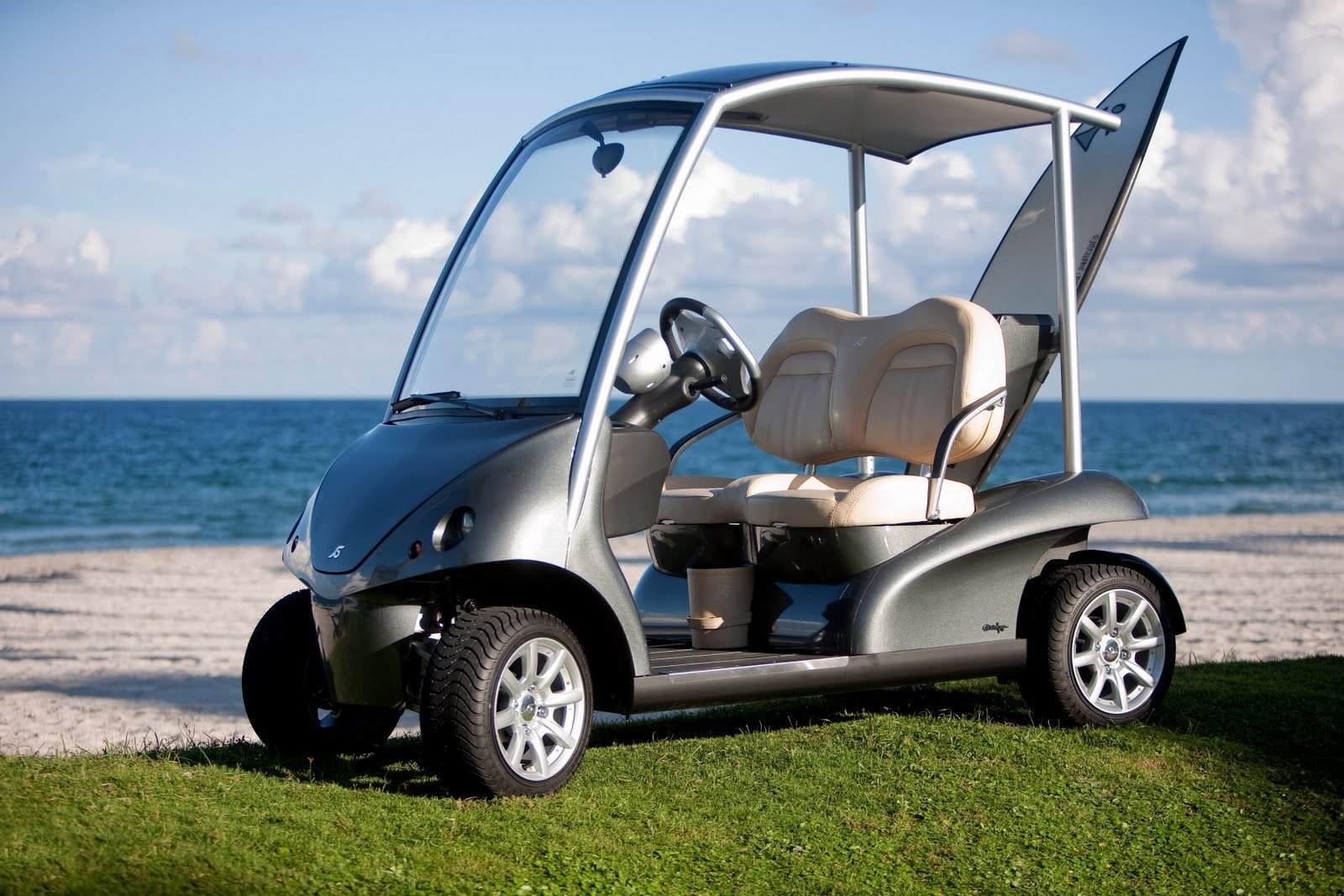
Solar-Powered Low-Speed Vehicles Market is Growing Fast
The future of solar-powered golf carts looks increasingly promising — driven by advances in solar technology, battery storage, sustainability goals, and demand for lower operating costs. Here’s how that future is shaping up:
Improved Solar Efficiency and Integration
Solar panels are becoming more efficient and lighter, meaning they can generate more power from a smaller surface area — ideal for golf carts with limited roof space.
- Next-generation high-efficiency solar cells (such as multi-junction and perovskite materials) promise better energy harvest even in less-than-ideal conditions.
- Manufacturers are integrating solar directly into cart roofs and accessories rather than as add-on panels.
Impact: Greater range and reduced reliance on grid charging.
Better Batteries, Longer Life
Battery technology is advancing rapidly:
- Lithium-ion and solid-state batteries are replacing older lead-acid systems.
- These offer higher energy density, faster charging, longer lifespan, and lighter weight.
When combined with solar charging, carts can operate for days without recharging, providing significant convenience.
Sustainability and Eco-Conscious Courses
Many golf courses are focused on reducing emissions and operating sustainably:
- Solar-powered golf carts support carbon-reduction goals.
- They help courses demonstrate environmental leadership to members and guests.
- Some courses are pairing solar carts with electric course equipment (mowers, utility vehicles, etc.) powered by central solar installations.
Trend: Sustainability is a selling point for high-end and eco-focused golf cart owners.
Lower Operating and Maintenance Costs
In the long run, solar golf carts can save money:
- Reduced electricity costs from grid charging.
- Fewer battery replacements due to solar trickle charging.
- Less wear on electric motors compared to gas carts.
As the cost of solar modules continues to fall, the return on investment improves significantly.
Hybrid Systems & Smart Energy Management
Rather than relying solely on solar, future golf carts will likely use hybrid charging systems:
- Solar panels supplement charging.
- Onboard systems dynamically manage power (solar, battery, terrain).
- Connected apps track performance and optimize routes for energy use.
This allows carts to balance performance and sustainability.
New Business Models
Solar golf carts are creating new opportunities:
- Subscription plans for courses reduce upfront costs.
- Shared cart systems where multiple users benefit from solar charging stations.
- Partnerships with solar installers and renewable energy programs.
Market Growth and Trends
Market info suggests:
- Increased adoption at eco-focused resorts and golf communities.
- Growth in electric mobility overall, which benefits ancillary technologies like solar golf carts.
- Innovation from specialty cart makers and aftermarket solar kit providers.
Key Trends
| Trend | Future Impact |
|---|---|
| Solar efficiency ↑ | More usable power from panels |
| Battery tech ↑ | Longer range, better life |
| Sustainability demand ↑ | Broader adoption |
| Lower costs | Better ROI |
| Hybrid systems | Smart, optimized power use |
| New business models | Wider market growth |
In Conclusion, solar-powered golf carts are evolving from niche, supplemental systems into more capable, cost-effective, and sustainable solutions—especially when paired with modern batteries and intelligent charging technology. The broader shift to electrification and renewable energy makes them a natural part of future transportation.
Ride All Day Solar Carts Team